BLOG
Tips and tricks to help you during this journey. Learn about real estate, property management and everything in between.
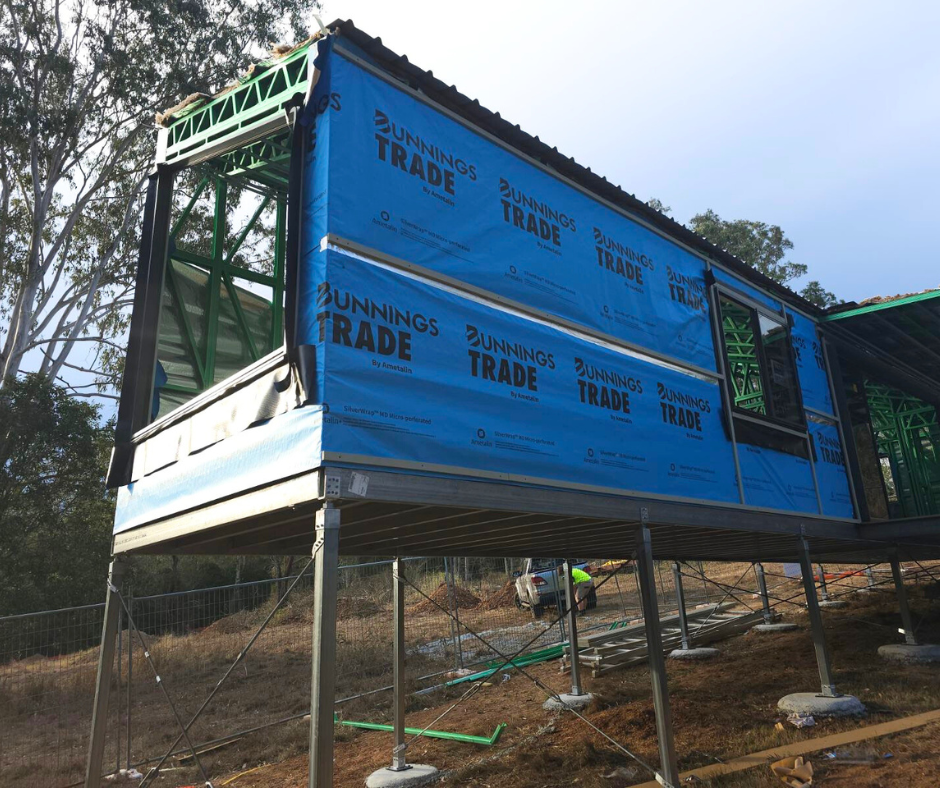
The idea of a DIY flat pack granny flat might be intriguing, but before you dive into this cost-effective and customisable option, there are some crucial things you need to know. In this blog, we'll cover everything from the benefits to potential challenges associated with DIY flat pack granny flats in Australia 1. Cost Savings and Affordability: One of the primary reasons people opt for flat pack granny flats is the potential for cost savings. DIY kits generally come at a more affordable price point compared to traditional construction methods. However, it's crucial to carefully assess the total cost, including materials, delivery, and any additional tools or labor you might need. 2. Customisation Options: One of the standout advantages of DIY flat pack granny flats is the flexibility in design. These kits often come with various options for layouts, finishes, and extras, allowing you to tailor the granny flat to your specific needs and preferences. If you have a vision for your space, a flat pack kit might be the ideal solution. 3. DIY Skills Required: While the appeal of a DIY project is undeniable, it's essential to assess your own skills and capabilities. Constructing a granny flat involves various tasks, from foundation work to plumbing and electrical installation. Be honest about your DIY proficiency, and if needed, consider hiring professionals for specific aspects of the build to ensure compliance with local building codes. 4. Council Approval and Regulations: Before embarking on your DIY granny flat journey, familiarise yourself with local council regulations and building codes in Australia. Many areas have specific requirements for granny flats, and obtaining the necessary permits is crucial. Failure to comply with regulations could result in fines or even the removal of the structure. 5. Site Preparation: DIY flat pack granny flats require a suitable and level foundation. Proper site preparation is critical to ensure the stability and longevity of your granny flat. This might involve excavation, leveling, and potentially pouring a concrete slab. Assess the condition of your property and be prepared to invest time and resources in proper site preparation. 6. Delivery and Handling: When purchasing a flat pack granny flat, consider the logistics of delivery and handling. The kits often come with large and heavy components that may require specialised equipment for unloading and assembly. Plan ahead to ensure a smooth delivery process and have a team or equipment ready to handle the materials. 7. Quality of Materials: Not all DIY flat pack granny flat kits are created equal. Research the reputation of the manufacturer and carefully review the materials included in the kit. Quality matters when it comes to durability and the long-term performance of your granny flat. Read customer reviews, ask for recommendations, and choose a kit from a reputable supplier. 8. Time Commitment: Undertaking a DIY project is a time-consuming endeavor. While the allure of a quick and easy build may be appealing, be realistic about the time commitment required. Weather, complexity of the design, and unforeseen challenges can extend the construction timeline. Plan accordingly and ensure you have the time and dedication to see the project through to completion. 9. Energy Efficiency and Sustainability: Consider the energy efficiency and sustainability of the materials included in the DIY kit. Opting for eco-friendly and energy-efficient components can not only reduce your environmental footprint but also lead to long-term cost savings on utilities. 10. Resale Value: Finally, think about the potential resale value of your property with a DIY flat pack granny flat. A well-constructed, aesthetically pleasing granny flat can significantly enhance the overall value of your property. Choose a design that complements your existing home and appeals to a broad range of potential buyers or renters. A DIY flat pack granny flat can be a rewarding project, offering cost savings, customisation options, and a sense of accomplishment. However, it's essential to approach the endeavor with careful planning, an understanding of local regulations, and a realistic assessment of your own skills and resources. By doing so, you can create a functional and attractive granny flat that adds value to your property in Australia. Contact our team at Select Kit Homes today for more information.
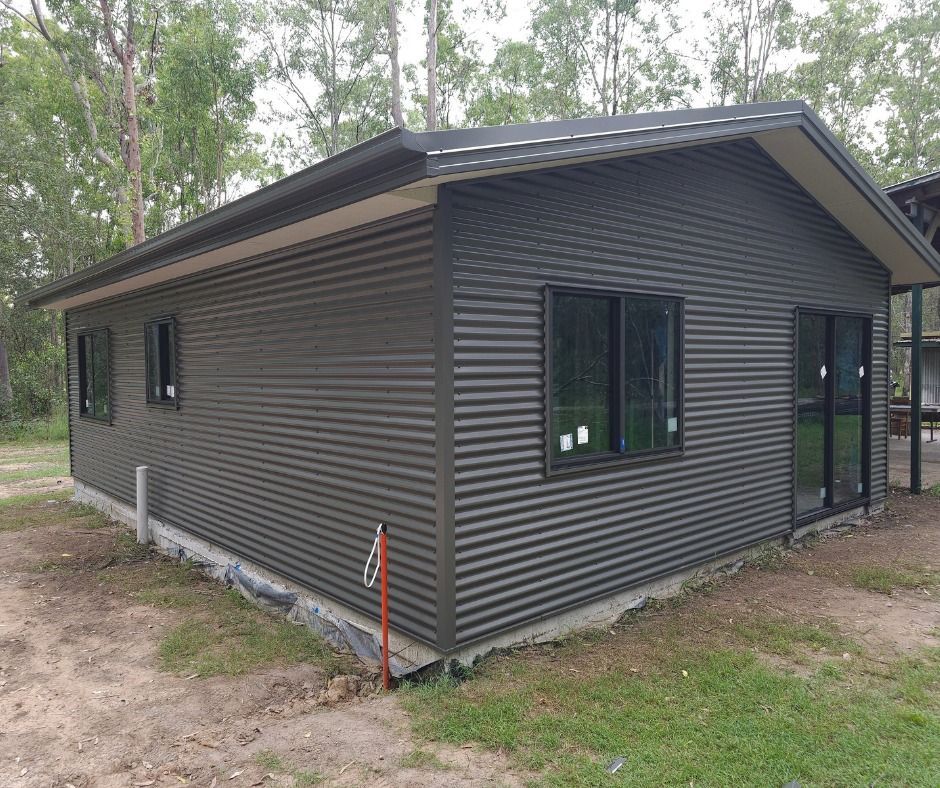
Embarking on the journey of building your dream home is an exciting and significant undertaking. As you explore your options, one key decision you'll face is whether to build your own kit home or enlist the services of a professional builder. Both approaches have their merits and drawbacks, and in this blog, we'll dissect the pros and cons of each to help you make an informed decision. Building Your Own Kit Home: Pros: Cost Savings: One of the primary attractions of building your own kit home is the potential for cost savings. Kit homes often come at a lower price point compared to hiring a builder. With a predetermined design and pre-cut materials, you can eliminate some of the labor costs associated with traditional construction. DIY Satisfaction: If you have a passion for hands-on projects and relish the idea of taking control of your home's construction, a kit home allows you to immerse yourself in the process. The satisfaction of seeing your efforts come to life can be immensely rewarding. Faster Construction Time: Kit homes are designed for efficient and speedy assembly. With pre-cut materials and detailed instructions, the construction process tends to be quicker than traditional building methods. This can translate to earlier occupancy and reduced carrying costs. Customisation Within Limits: While kit homes come with predetermined designs, many suppliers offer a degree of customisation. You can often choose from various floor plans, finishes, and additional features to tailor the kit home to your preferences. This flexibility allows for some personalisation while maintaining the cost benefits of a kit. Cons : Skill and Experience Required: Building your own kit home requires a certain level of skill and construction know-how. If you're not experienced in carpentry, plumbing, electrical work, and other essential trades, you might find the process challenging. Mistakes can be costly, both in terms of time and money. Time-Consuming: While kit homes generally have a faster construction time compared to traditional builds, they still demand a significant time investment. If you have a full-time job or other commitments, finding the time to dedicate to the construction process might be challenging. Limited Customisation: Despite the degree of customisation offered by kit home suppliers, there are inherent limitations. If you have a highly specific vision for your home that deviates significantly from the available designs, you may find the options restrictive. Using a Builder: Pros: Professional Expertise: Perhaps the most significant advantage of using a builder is the access to professional expertise. Builders have the training, experience, and knowledge to navigate the complexities of construction. They can anticipate challenges, manage permits, and ensure the project complies with building codes. Time Efficiency: Builders have the skills and resources to streamline the construction process. They coordinate with subcontractors, manage schedules, and oversee the project efficiently. This can result in a faster overall construction timeline, allowing you to move into your new home sooner. Comprehensive Project Management: Building a home involves various tasks, from site preparation to finishing touches. A builder takes on the role of project manager, coordinating every aspect of the construction. This alleviates you from the stress of juggling multiple contractors and ensures a cohesive and well-executed project. Greater Customisation: When working with a builder, you have the flexibility to design a truly custom home that meets your specific preferences and needs. Builders often have connections with architects and designers, allowing you to create a one-of-a-kind home tailored to your vision. Cons: Higher Cost: The most notable drawback of hiring a builder is the higher cost. Professional labor and project management come at a price, and the overall budget for a traditionally built home is typically higher than that of a kit home. It's essential to weigh the increased expense against the benefits of professional expertise and time savings. Less Hands-On Involvement: If you relish the idea of getting your hands dirty and actively participating in the construction process, using a builder might leave you feeling somewhat disconnected. While you can still be involved in decision-making, the day-to-day construction tasks will be handled by professionals. Dependency on Others: Relying on a builder means entrusting your vision to someone else. While reputable builders aim to bring your dream to life, miscommunications or differences in interpretation may occur. Clear communication is crucial to ensuring your expectations are met. In the end, the decision between building your own kit home and using a builder boils down to your skills, preferences, and priorities. If you're a hands-on DIY enthusiast with the time and expertise, a kit home may be a cost-effective and rewarding option. On the other hand, if you value professional guidance, customisation options, and time efficiency, hiring a builder might be the ideal choice. Carefully weigh the pros and cons, consider your own capabilities, and choose the path that aligns with your vision for the perfect home. Contact our team at Select Kit Homes to learn more about your options
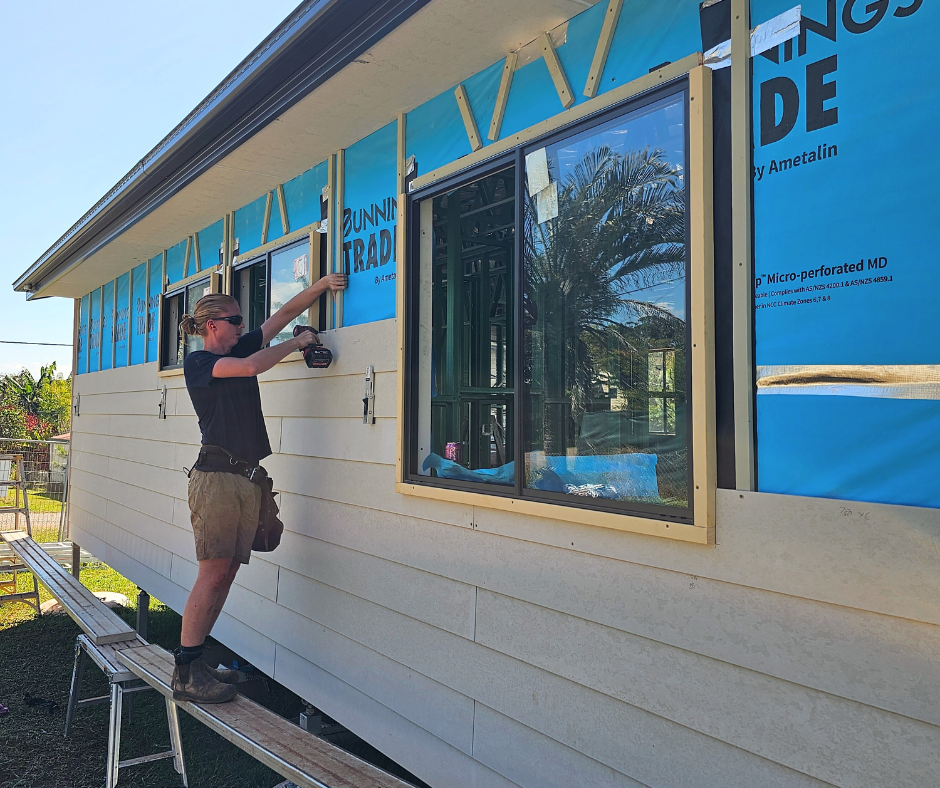
Do you find the conventional home-buying process overbearing and yearn to shape your housing future independently? If you're based in Queensland and envision building your own home from scratch, DIY kit homes could be the ideal path for you. In this blog, we'll explore the realm of DIY kit homes and walk you through the process of becoming an owner-builder in Queensland. What Are DIY Kit Homes? DIY kit homes are an innovative way to build your own home with a level of customization and cost savings that traditional construction can't match. These homes come in kits, including the necessary materials and components to construct your dream house to various stages. Think of it as a pre-packaged solution that empowers you to become your home's builder. Benefits of DIY Kit Homes Before we dive into the steps to become an owner builder, let's explore some of the advantages of DIY kit homes: 1.Cost Control You have a better grasp of your budget when you're in charge. With DIY kit homes, you can save on labor costs and have more control over your expenses. 2. Customisation Create the home you've always envisioned. From layout to finishes, DIY kit homes offer flexibility for personalisation. 3. Faster Construction Kit homes are known for their efficient construction timelines. With pre-fabricated components, you can significantly reduce construction time. 4. Sense of Accomplishment Building your own home is an incredibly satisfying experience. It's a journey of self-discovery and a chance to connect deeply with your living space. How to Become an Owner Builder in Queensland Now, let's walk through the steps to becoming an owner builder in Queensland: 1. Check Eligibility Make sure you meet the eligibility criteria set by the Queensland Building and Construction Commission (QBCC). Typically, this includes being at least 18 years old, not being insolvent, and not having any unspent convictions related to building work. 2. Get Educated You'll need to complete an approved owner-builder course. This course provides you with essential knowledge and skills required for managing a construction project. 3. QBCC Application Apply to the QBCC for your owner-builder permit. This process involves submitting various documents, including proof of identity, course completion certificates, and a detailed project plan. 4. Approval and Insurances Once your application is approved, you'll need to obtain the necessary insurances, including Home Warranty Insurance and Public Liability Insurance. 5. Develop a Project Plan Create a detailed project plan that outlines the scope, budget, timeline, and specifications for your DIY kit home. This plan will guide your construction process. 6. Building Approvals Obtain all the necessary building approvals and permits from your local council or certifier. Compliance with building codes and regulations is vital. 7. Construction Now it's time to get your hands dirty! Follow the instructions provided with your DIY kit home carefully and proceed with construction according to your project plan. 8. Inspections Schedule inspections at critical stages of construction to ensure compliance with safety and quality standards. 9. Completion Finish your home by installing finishes, landscaping, and any remaining interior work. This is where your vision becomes a reality. 10. Certification Once your home is complete, obtain a final inspection and certification from your local authority. Becoming an owner-builder in Queensland and embarking on the construction of your DIY kit home is a bold and ambitious endeavor, but with the right approach, you can turn your dream home into a reality. DIY kit homes offer a unique blend of affordability, customization, and the unparalleled satisfaction of creating your own space. If you're ready to seize control of your housing future, follow these steps, and embark on the path to becoming an owner-builder in Queensland. Your dream home eagerly awaits your personal touch!